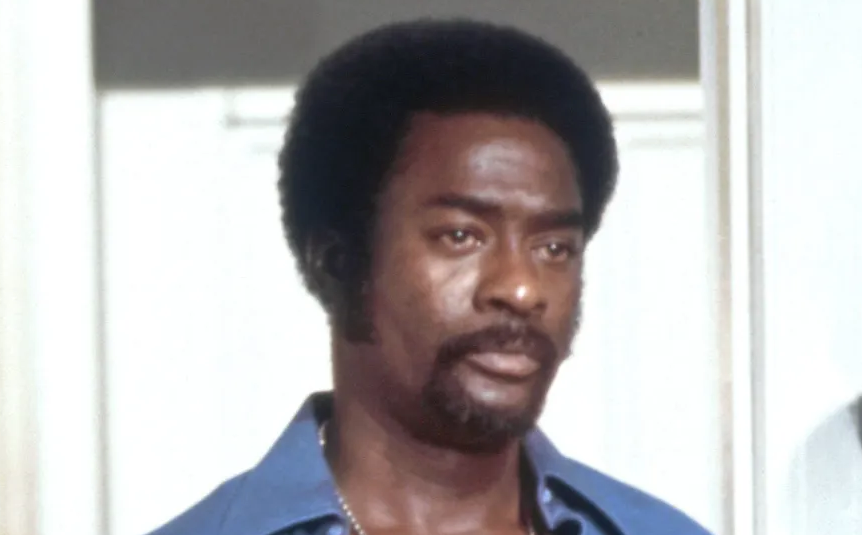
In the broader landscape of television history, where leading stars often dominate recognition and cultural memory, there exists a group of performers whose contributions are no less meaningful despite receiving far less attention. Among them was Ed Bernard, a character actor whose career reflected a deep commitment to craft rather than a pursuit of fame. Before he ever appeared on screen, he built his foundation in the theater scene of Philadelphia, a setting that demanded discipline, patience, and an unwavering respect for performance as an art form. Stage acting requires a level of presence and control that cannot be edited or refined after the fact, and it was within this environment that he honed the qualities that would later define his work. His early experiences in theater instilled in him a sense of responsibility toward each role, no matter how large or small, shaping a professional identity rooted in preparation, consistency, and a quiet confidence that did not seek attention but naturally earned respect.
As television began to expand and evolve, offering new opportunities for actors to reach wider audiences, he made the transition from stage to screen with a sense of adaptability that reflected both skill and humility. Rather than attempting to reinvent himself entirely, he carried the lessons of theater into his television work, bringing a grounded authenticity to every performance. He appeared in a wide range of series during a time when episodic television was becoming a central part of popular culture, and his ability to inhabit characters with subtlety made him a reliable and valued presence. Shows such as Police Woman and The White Shadow benefited from his steady approach, as he contributed to their narratives in ways that felt natural and believable. He was not the kind of actor who overshadowed a scene, but rather one who enhanced it, adding texture and credibility through careful attention to detail. This understated style allowed him to fit seamlessly into different productions, demonstrating versatility without ever losing the essence of his performance.
What distinguished his career was not a defining breakthrough role or a singular moment of widespread recognition, but rather the accumulation of consistent, thoughtful work over time. In an industry often driven by visibility and rapid success, his path represented a different model of achievement, one built on reliability and trust. Directors and fellow actors could depend on him to deliver performances that supported the story without unnecessary embellishment, reinforcing the collaborative nature of television production. His roles, though sometimes modest in scope, carried a sense of authenticity that elevated the overall quality of the projects he was part of. This ability to contribute meaningfully without demanding the spotlight speaks to a deeper understanding of the craft, one that prioritizes the integrity of the narrative over personal recognition. It is through this lens that his career can be appreciated, not as a series of isolated appearances, but as a cohesive body of work defined by dedication and professionalism.
Beyond the screen, his life reflected values that stood in quiet contrast to the often hectic and public nature of the entertainment industry. He maintained a strong connection to family and embraced a lifestyle centered on simplicity and routine. These choices were not born out of necessity, but rather from a clear understanding of what brought him fulfillment. He valued time spent at home, engaging in everyday activities that grounded him and provided a sense of stability. His personal faith also played a significant role in shaping his outlook, offering guidance and perspective that extended beyond his professional endeavors. After the passing of his wife, with whom he had shared many years of marriage, he gradually withdrew from public life, choosing instead to focus on reflection and personal connection. This period of his life highlighted a different kind of strength, one defined not by public resilience but by the ability to navigate loss with grace and introspection.
His later years were marked by a quiet dignity that mirrored the approach he had taken throughout his career. Having spent decades contributing to the fabric of television storytelling, he did not seek to remain in the spotlight or to extend his visibility beyond what felt meaningful. Instead, he embraced a more private existence, one that allowed him to remain connected to what mattered most without the distractions of public attention. This decision, much like many others in his life, reflected a consistent alignment between his values and his actions. It also reinforced the idea that a life in the arts does not need to be defined by constant visibility in order to be impactful. His contributions remained, embedded in the episodes and performances that audiences continue to revisit, serving as quiet reminders of the importance of authenticity and care in storytelling.