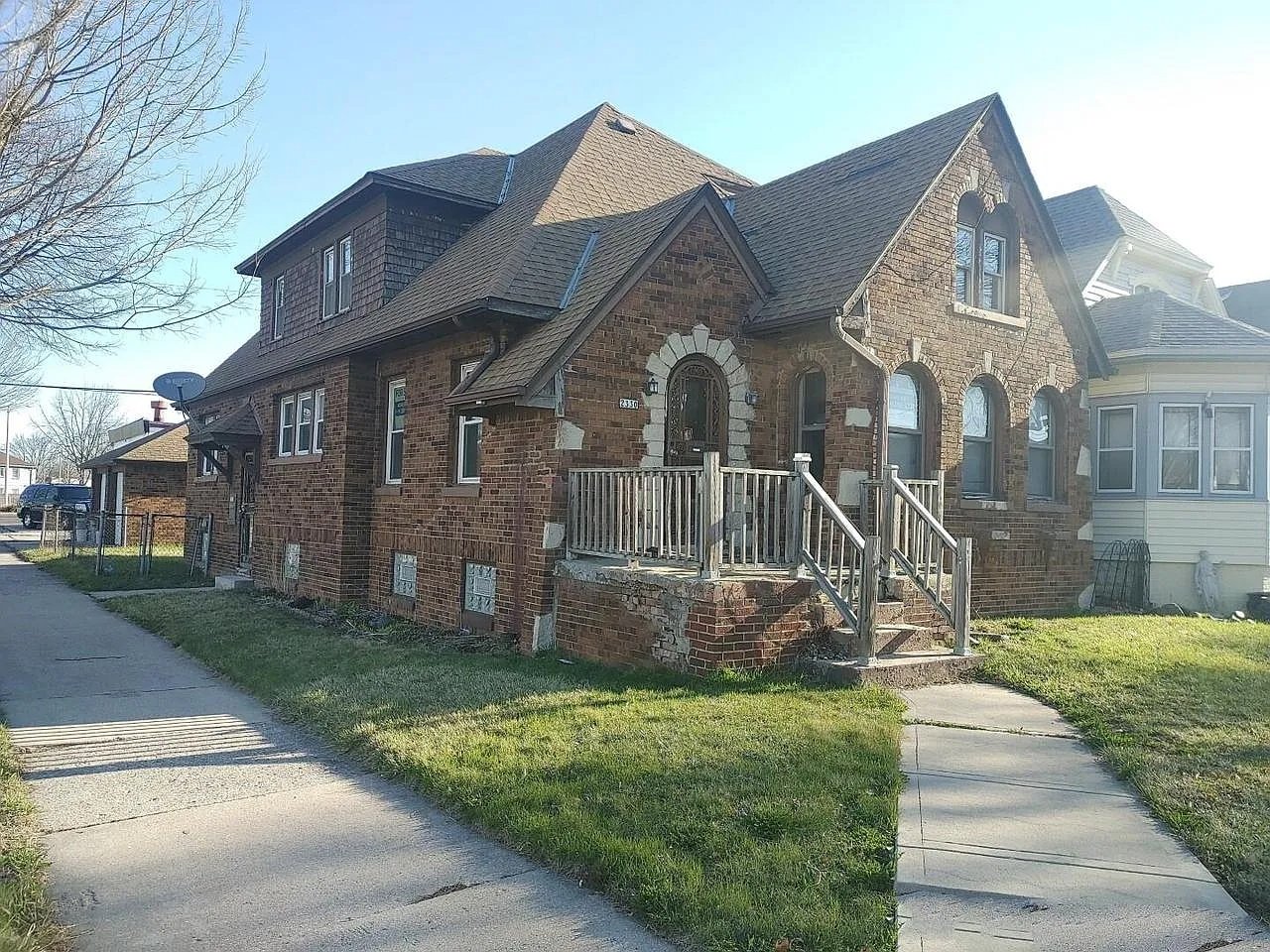
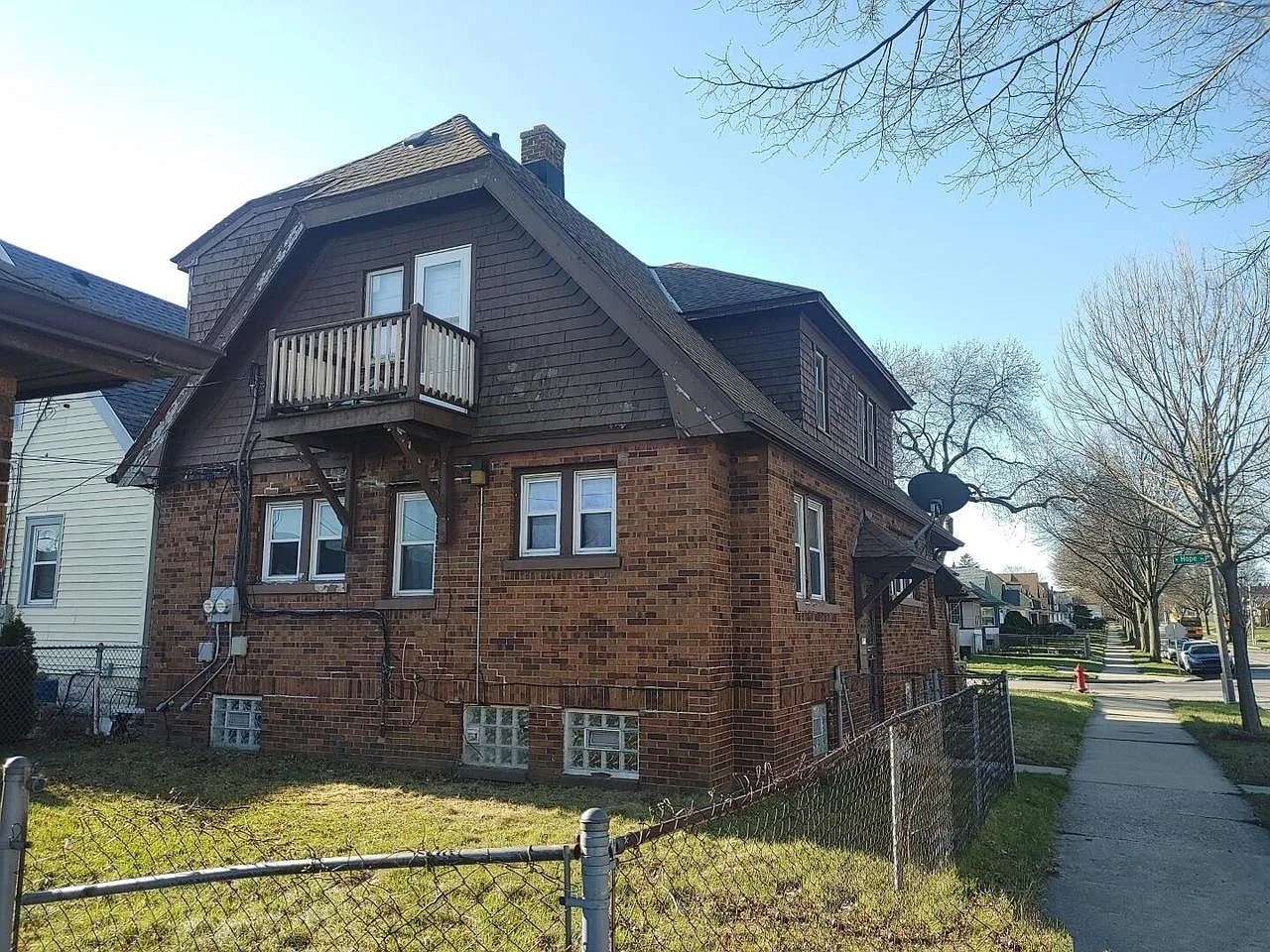
Opportunities within historic urban neighborhoods often come with a mix of character, challenge, and untapped potential—and the duplex at 2330 West Hope Avenue in Milwaukee, Wisconsin represents exactly that kind of opportunity. Built in 1929, this brick multi-family residence stands as a reminder of a different era in American home construction, when durability, craftsmanship, and practicality shaped the neighborhoods that still define many Midwestern cities today. Though time and circumstances have left their mark on the property, the structure continues to offer possibilities for buyers willing to invest vision, patience, and effort into bringing it back to life.
Located within a residential section of Milwaukee, this duplex reflects the city’s long tradition of multi-family housing. Duplexes became especially common throughout Milwaukee during the early 20th century, as they provided efficient use of land while allowing multiple households to live comfortably under one roof. These homes were often designed with mirrored or stacked layouts, giving each family its own separate living space while maintaining the appearance of a single cohesive structure. Today, many of these buildings remain an important part of Milwaukee’s architectural identity.
From the outside, the property immediately conveys a sense of permanence. The brick façade, stone accents, and steep rooflines create a distinctive appearance that newer construction often struggles to replicate. Homes built during this era were designed to endure harsh winters, changing weather conditions, and decades of daily use. Even when interiors require extensive updates, the exterior shell of these buildings often remains remarkably solid. That sense of durability is one of the reasons older brick duplexes continue to attract renovators, investors, and homeowners who appreciate historic character.
The structure encompasses approximately 2,358 square feet of living space spread across two units. With four bedrooms and two bathrooms in total, the property provides enough room to accommodate a variety of living arrangements. A future owner could choose to occupy one unit while renting the other, creating a balance between personal residence and supplemental income. Others may envision housing extended family members, creating a multi-generational living setup that allows relatives to remain close while maintaining separate spaces. Investors, meanwhile, may see the opportunity to fully renovate both units for long-term rental income.
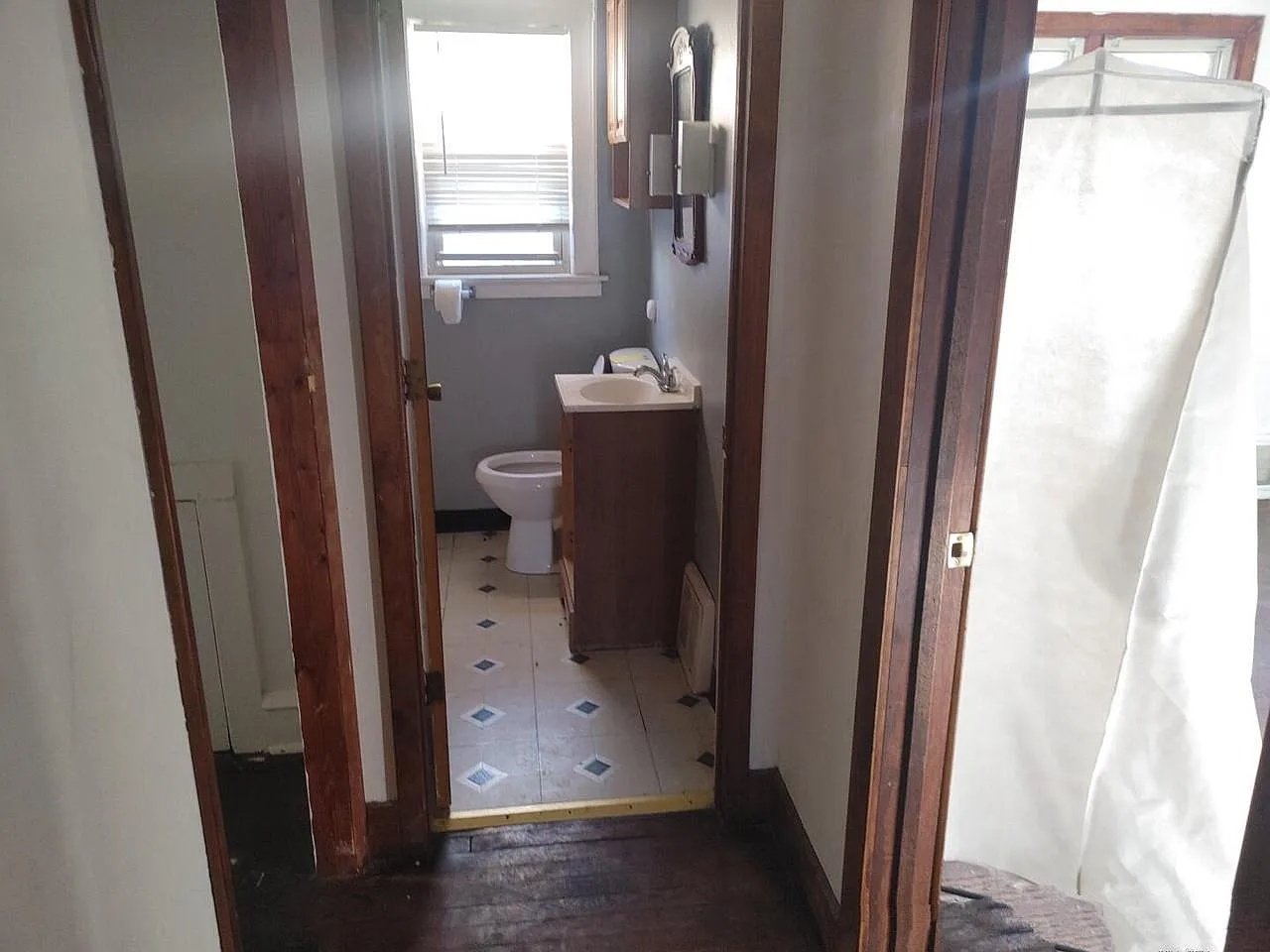
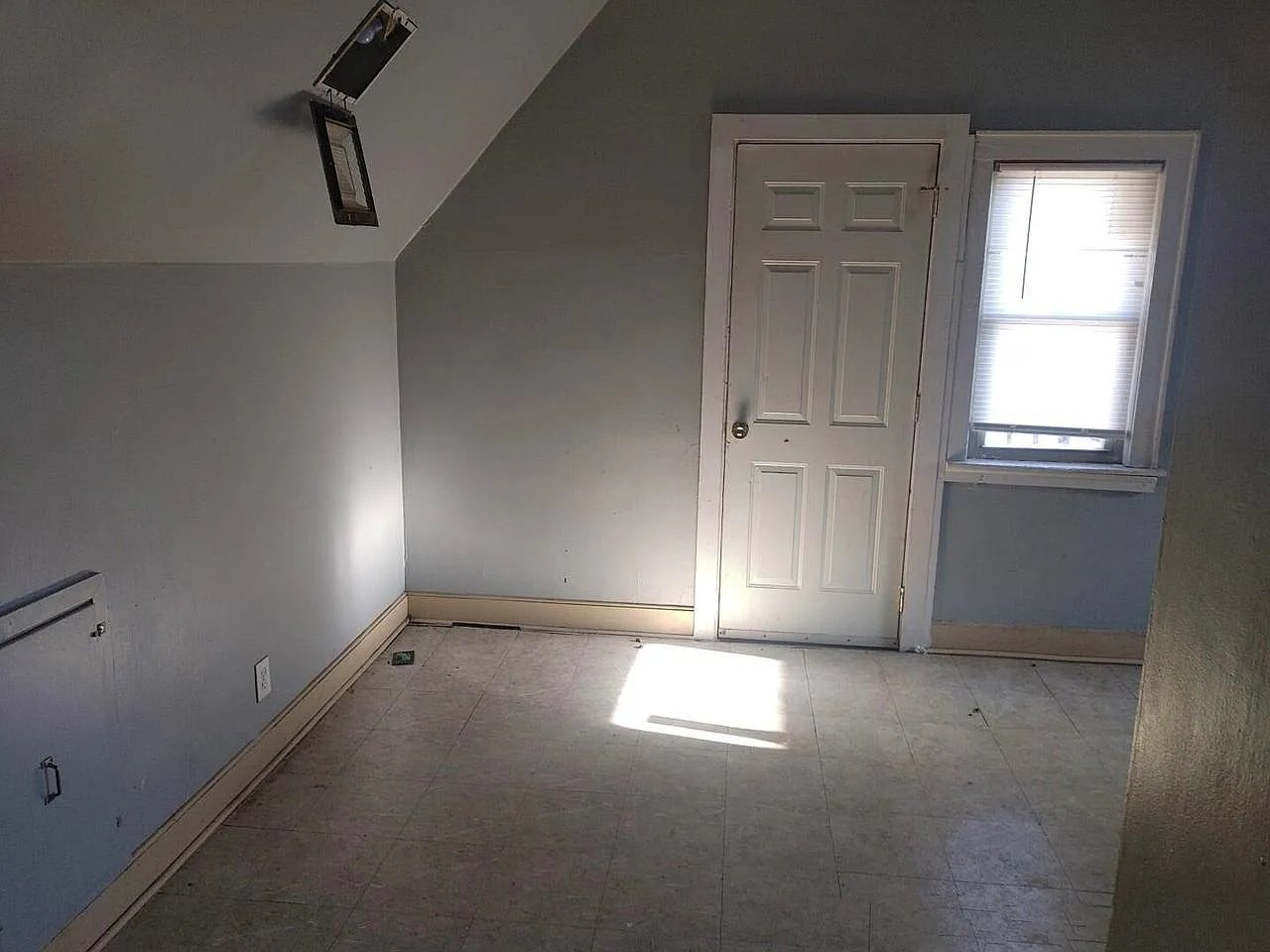
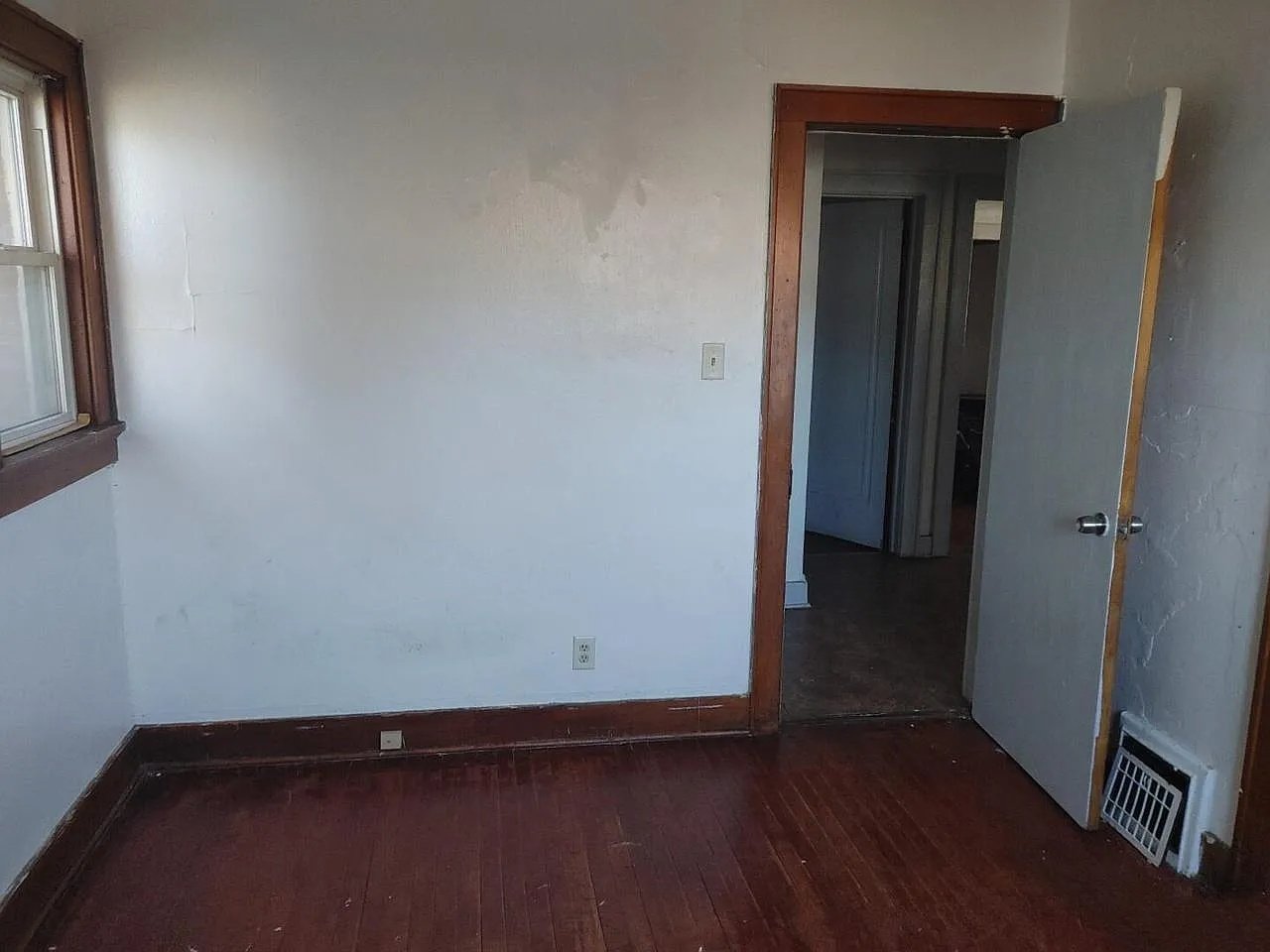
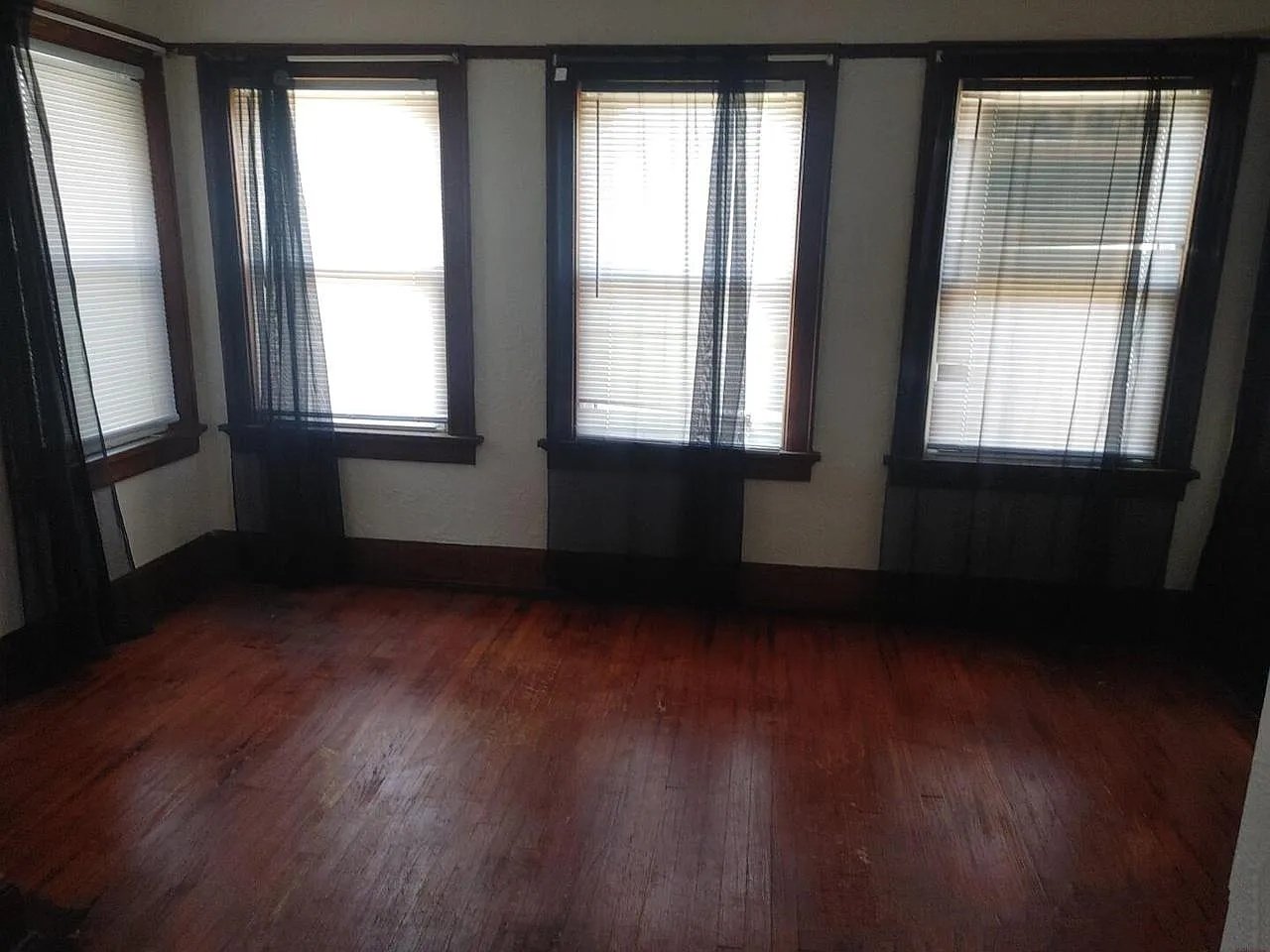
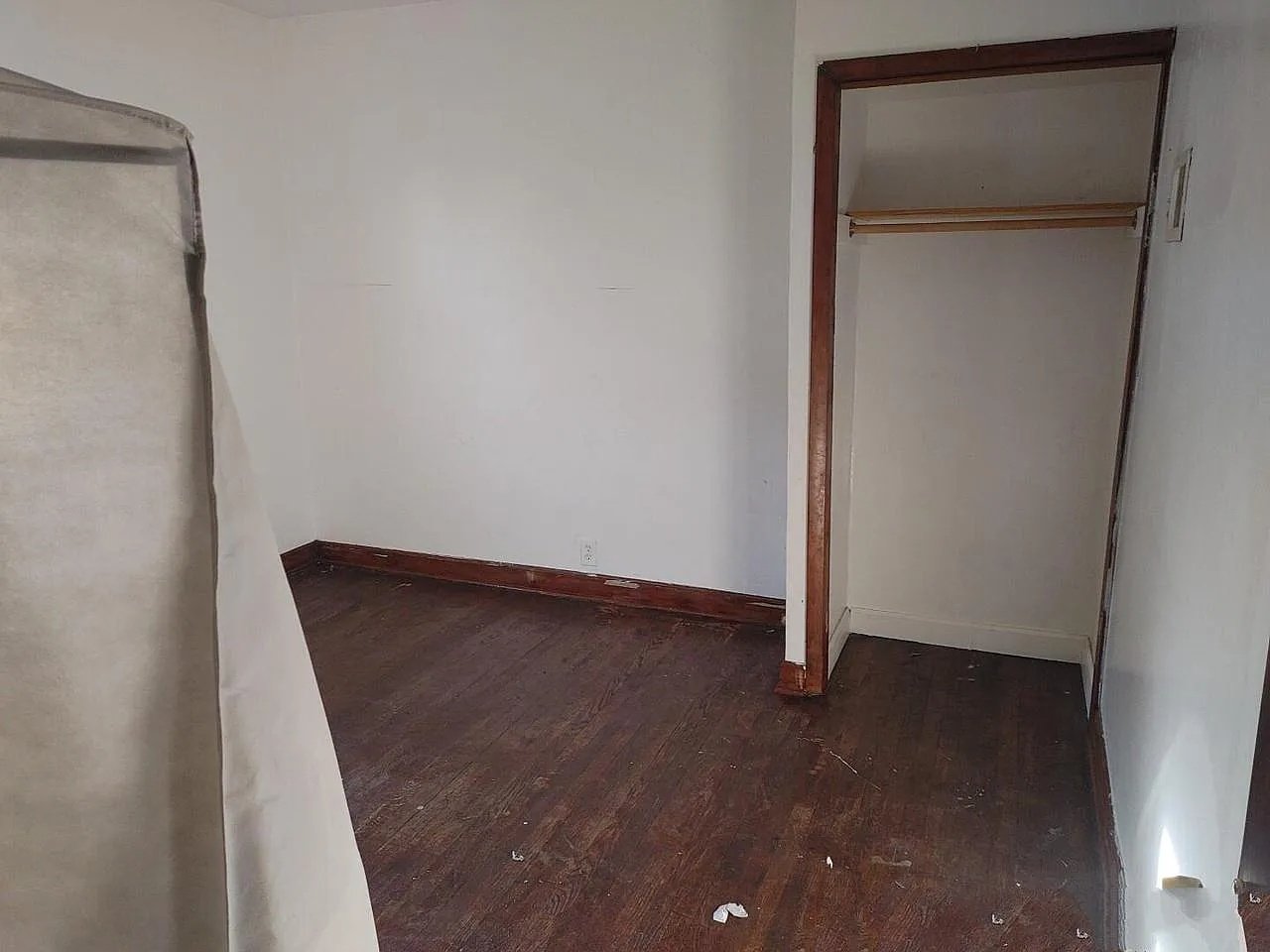
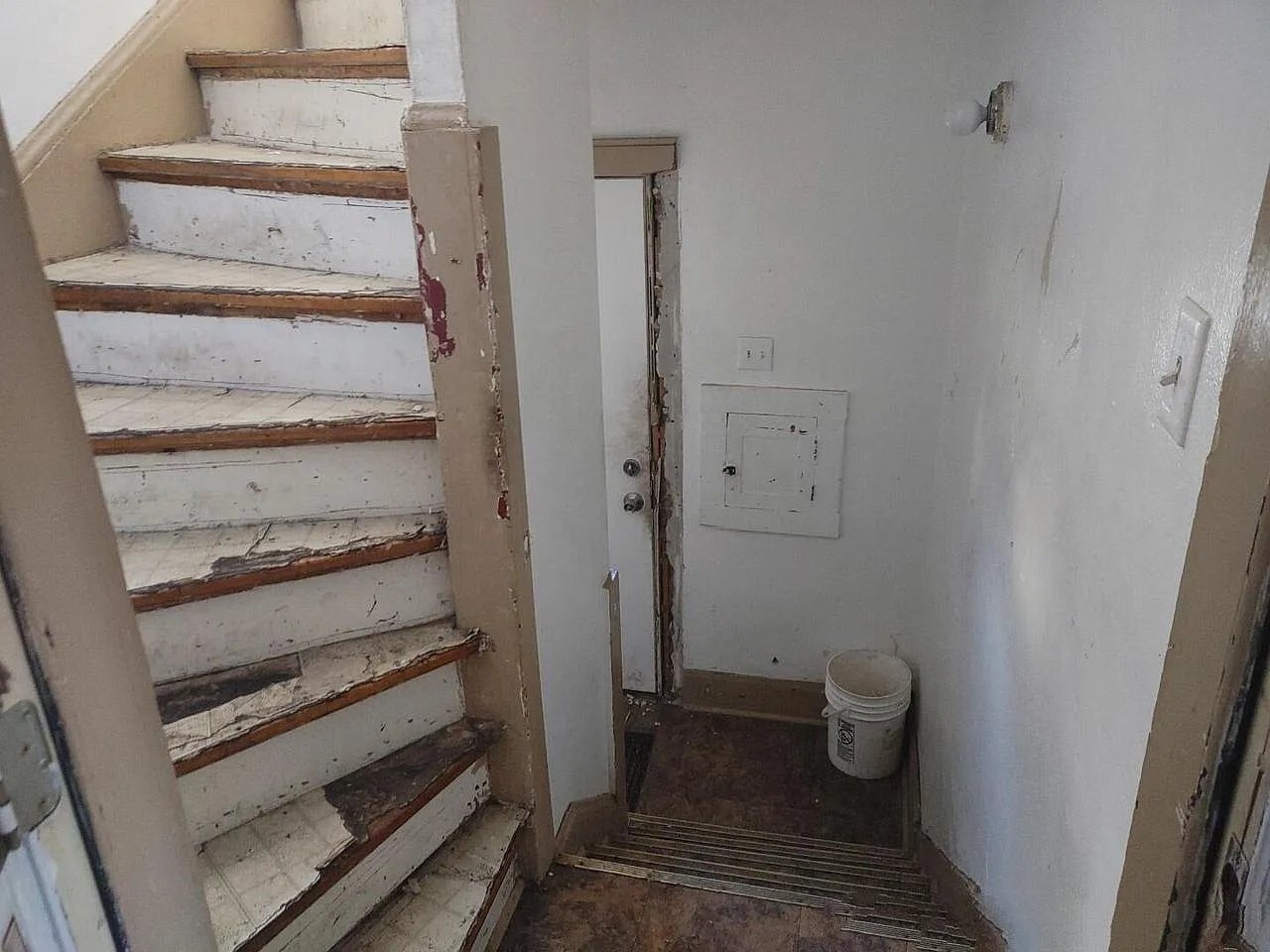
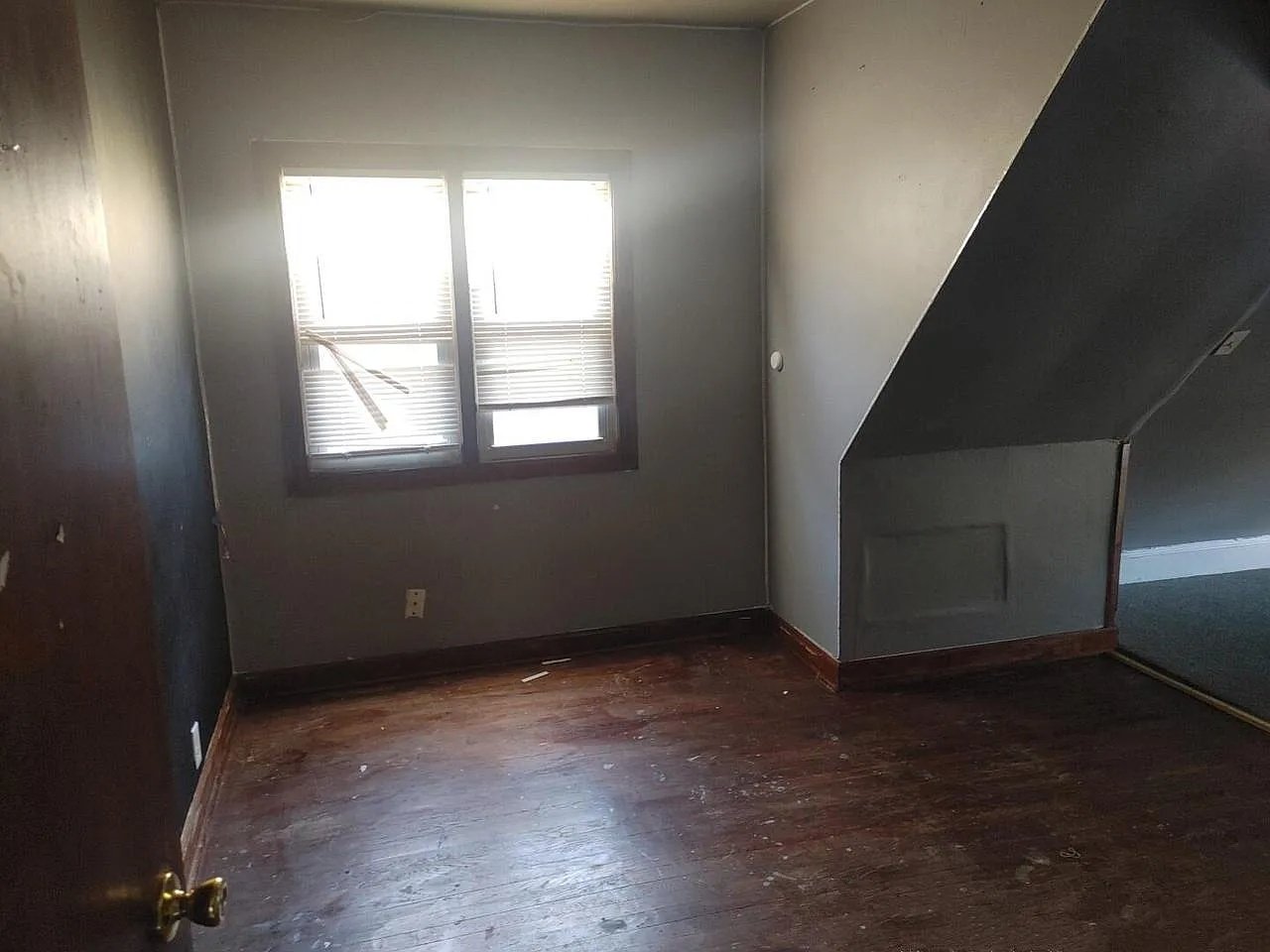
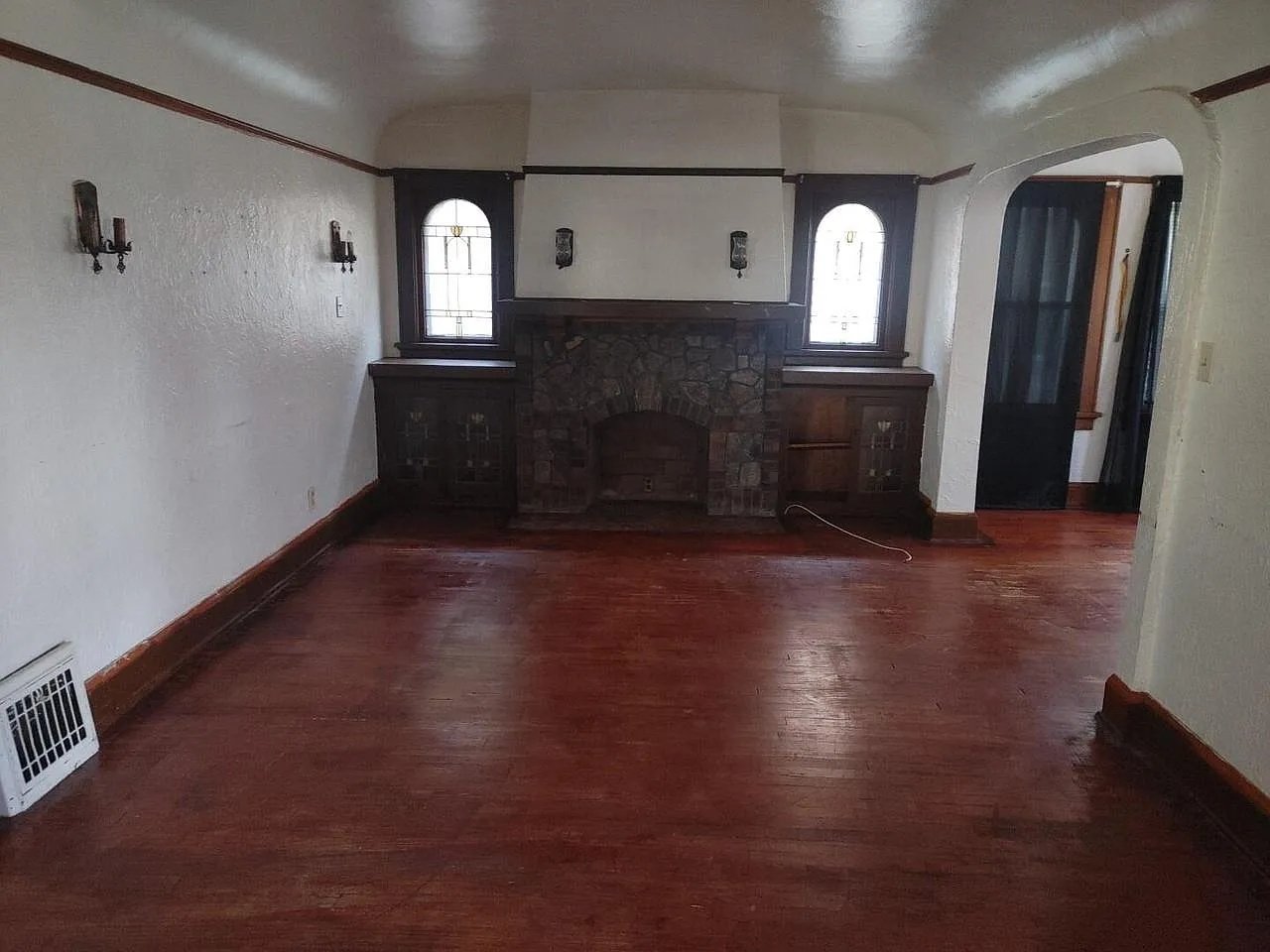
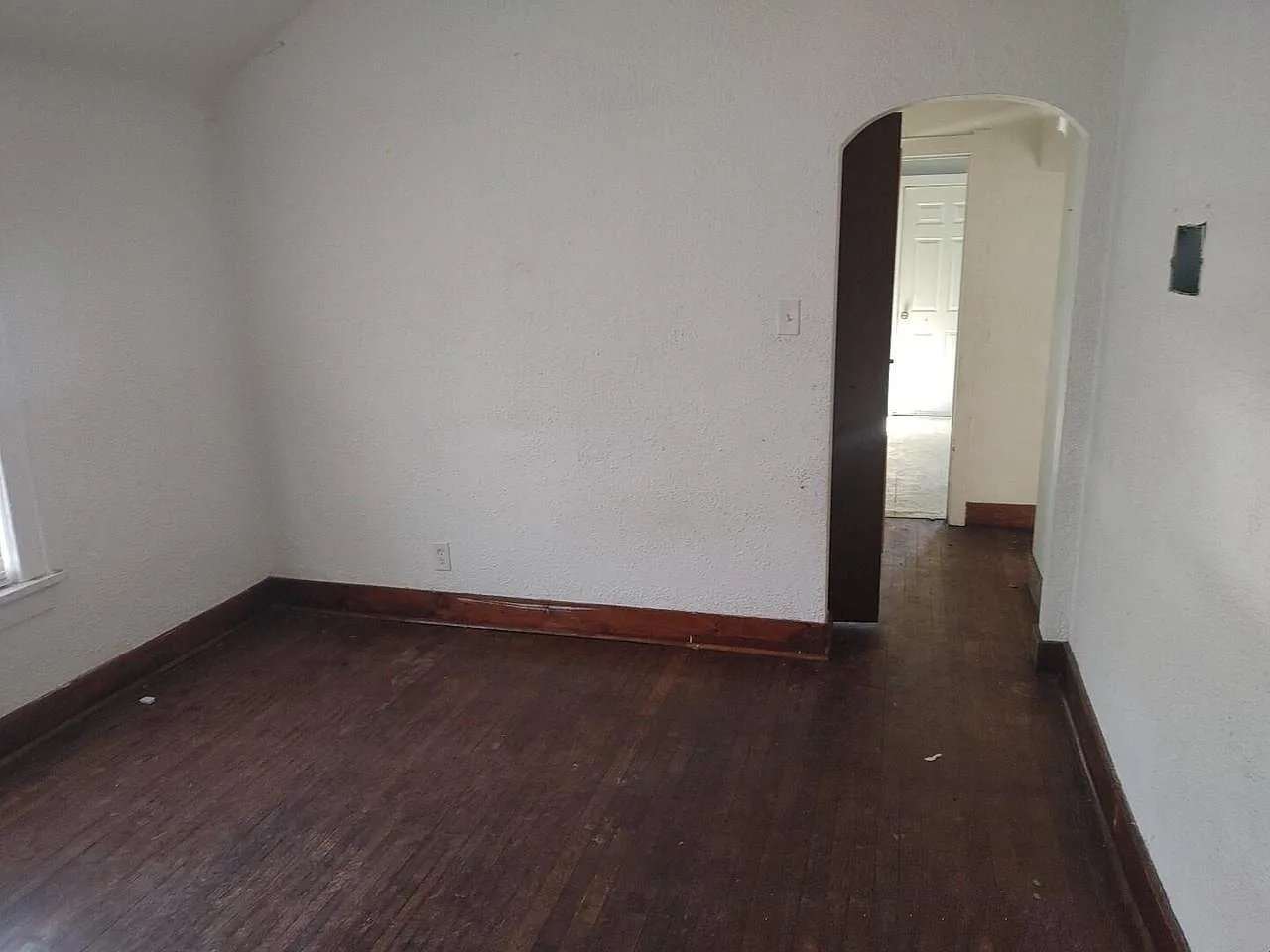
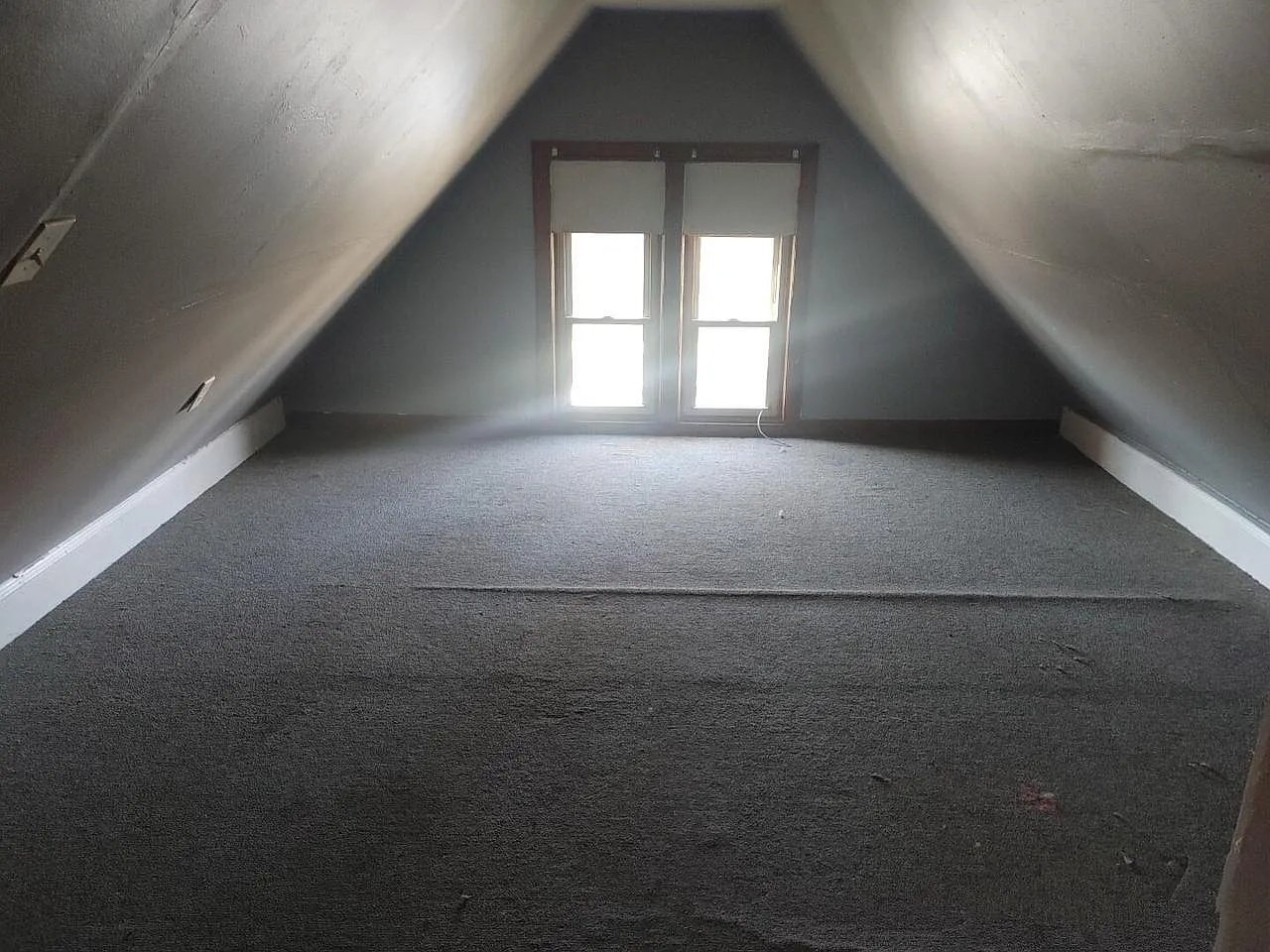
Inside, the duplex offers the type of flexible layout commonly found in homes of this style. While updates and repairs are clearly needed, the size and structure of the property provide room for creativity. Original woodwork, trim details, or historic architectural elements may still remain beneath years of wear, waiting to be restored. Buyers with an appreciation for vintage homes often find excitement in uncovering original craftsmanship hidden beneath outdated finishes or neglected interiors.
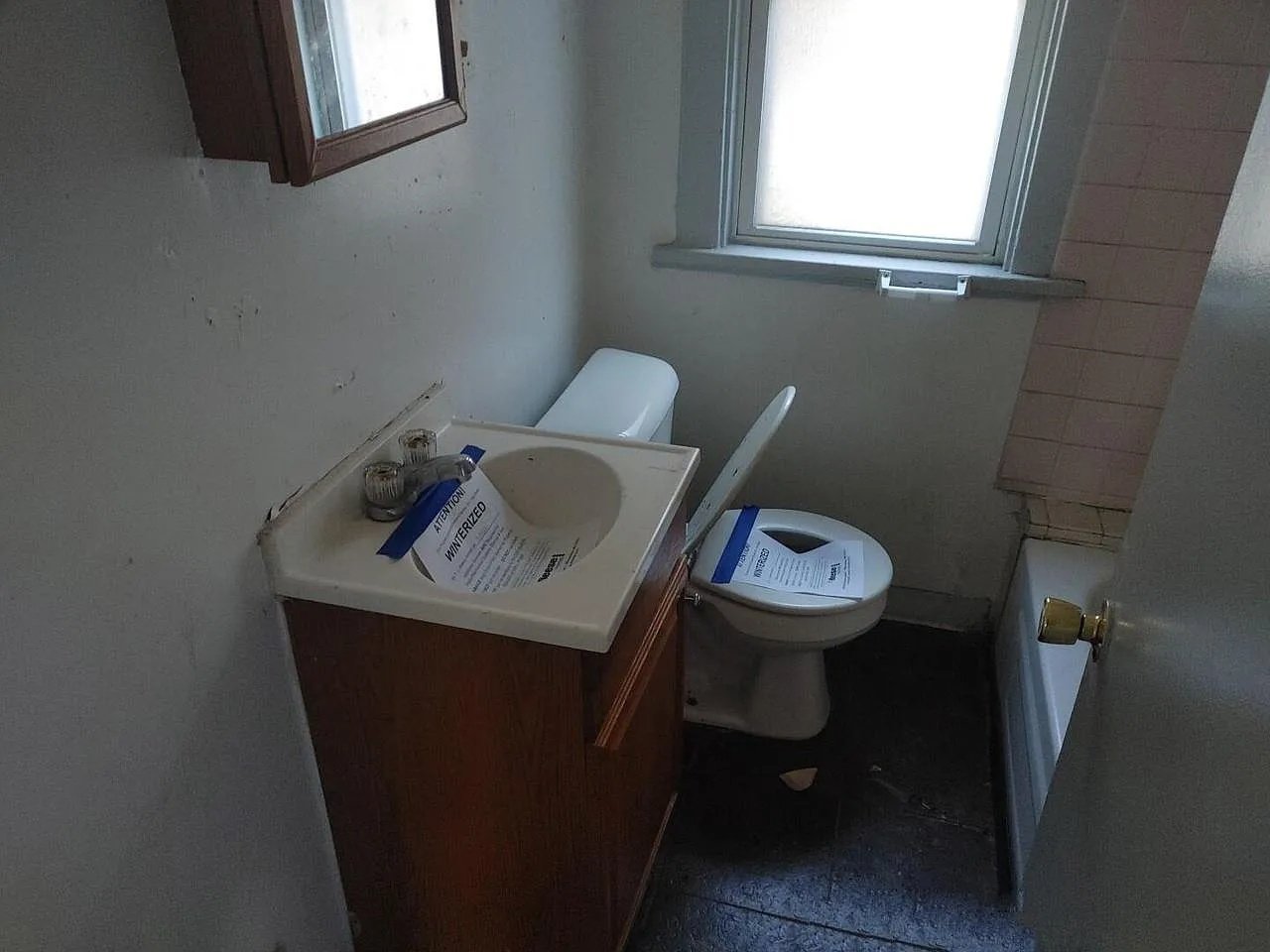
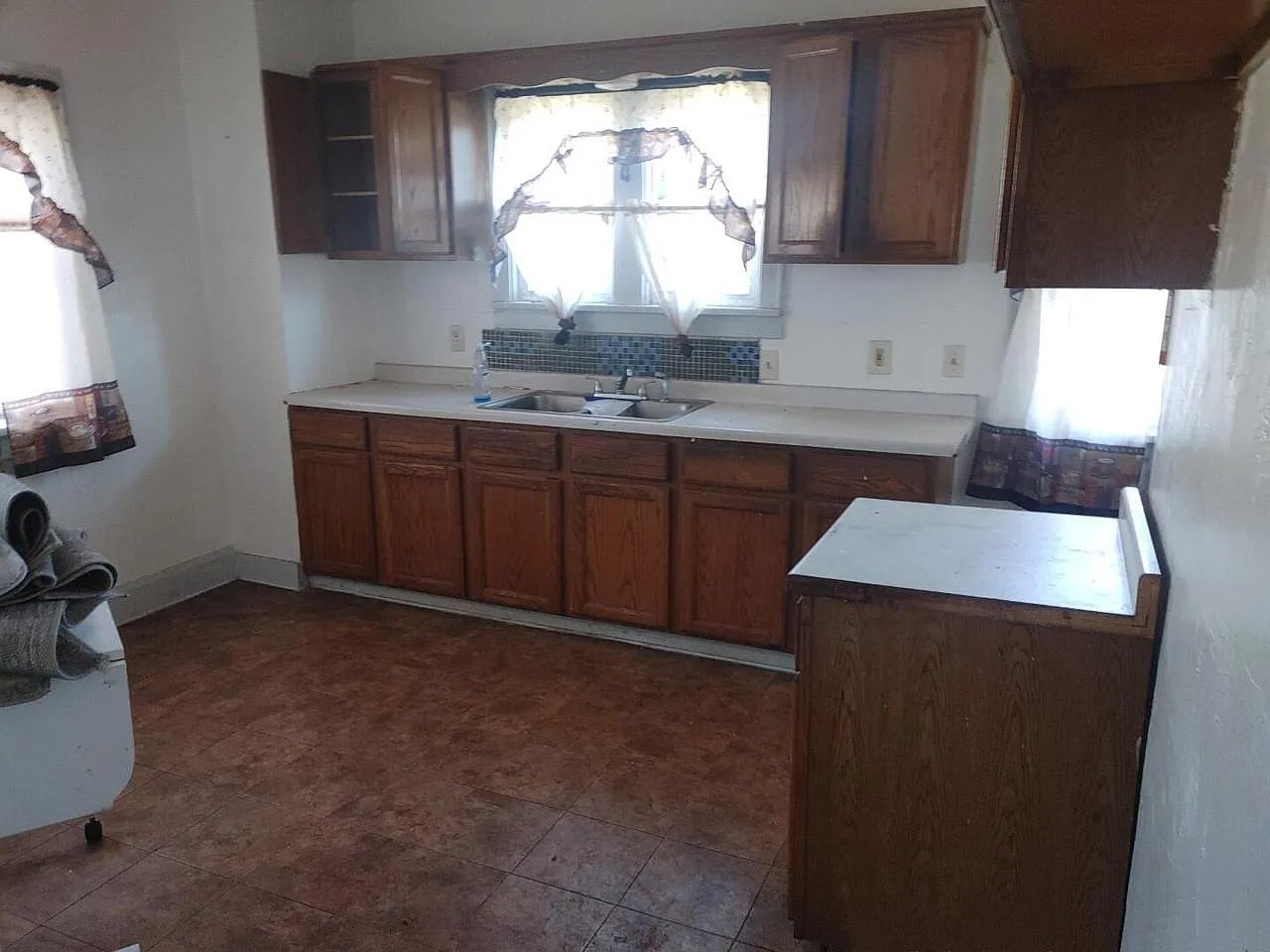
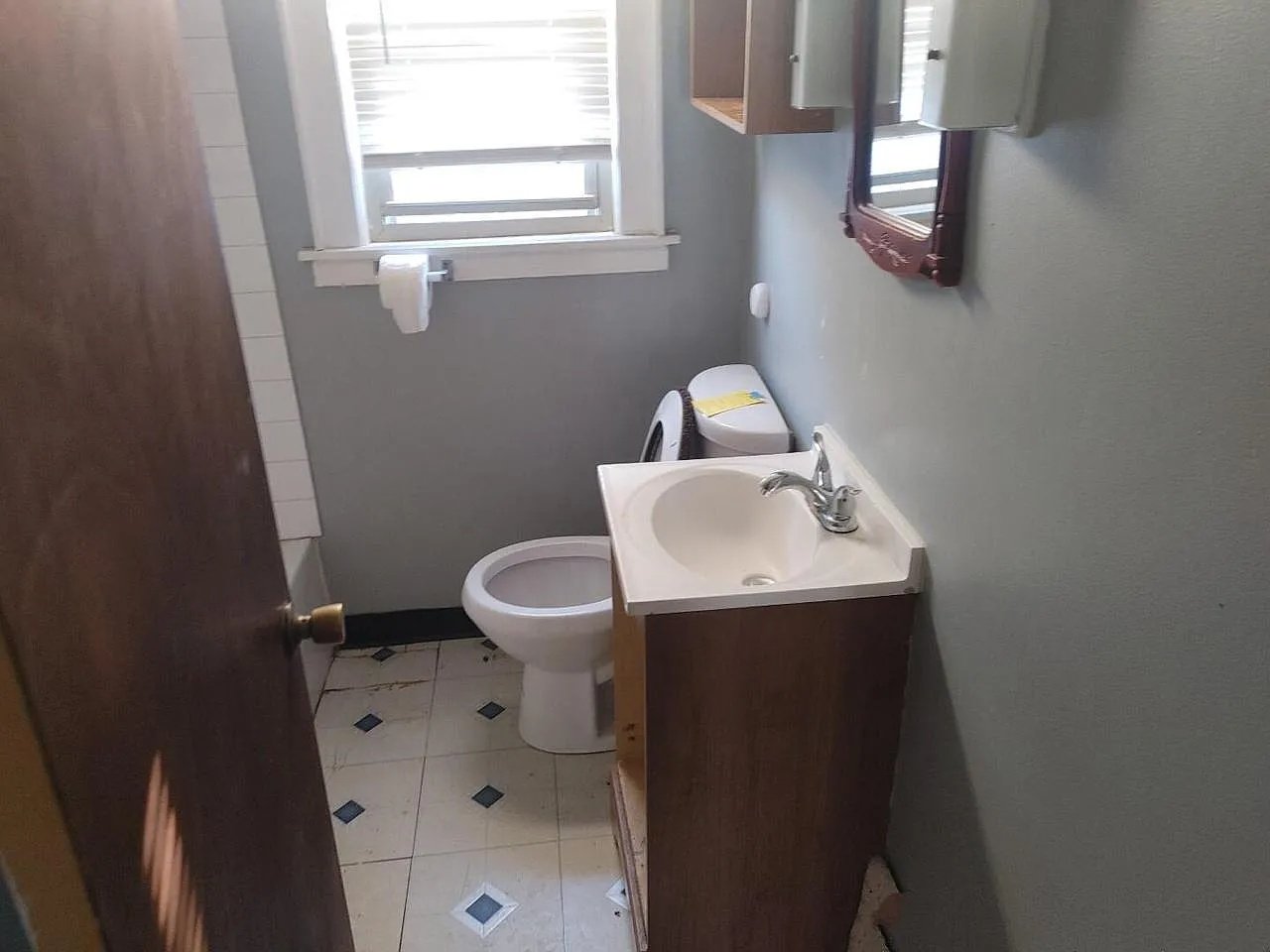
Renovating a property like this is rarely just about repairing walls or replacing fixtures. It is often about preserving history while adapting the space for modern living. Restoring older duplexes can involve blending contemporary conveniences with historic charm—maintaining original arches, windows, or brickwork while updating kitchens, bathrooms, flooring, electrical systems, and plumbing. For many buyers, that process becomes part of the reward itself.
The two-level configuration creates natural separation between units, helping provide privacy and functionality. In many Milwaukee duplexes from this era, each floor functions almost like an independent apartment, complete with its own kitchen, living room, bedrooms, and bathroom. This arrangement continues to appeal strongly in today’s housing market because it offers flexibility that single-family homes cannot always provide.
A full basement further expands the property’s possibilities. Basements in homes built during the early 1900s were typically designed for storage, utilities, laundry, and mechanical systems, but many buyers now view them as opportunities for additional usable space. Depending on local regulations and the extent of renovation, the basement could potentially serve as a workshop, recreational area, storage room, or improved utility space. Even unfinished, a basement adds practical value by increasing storage capacity and providing separation for major systems.
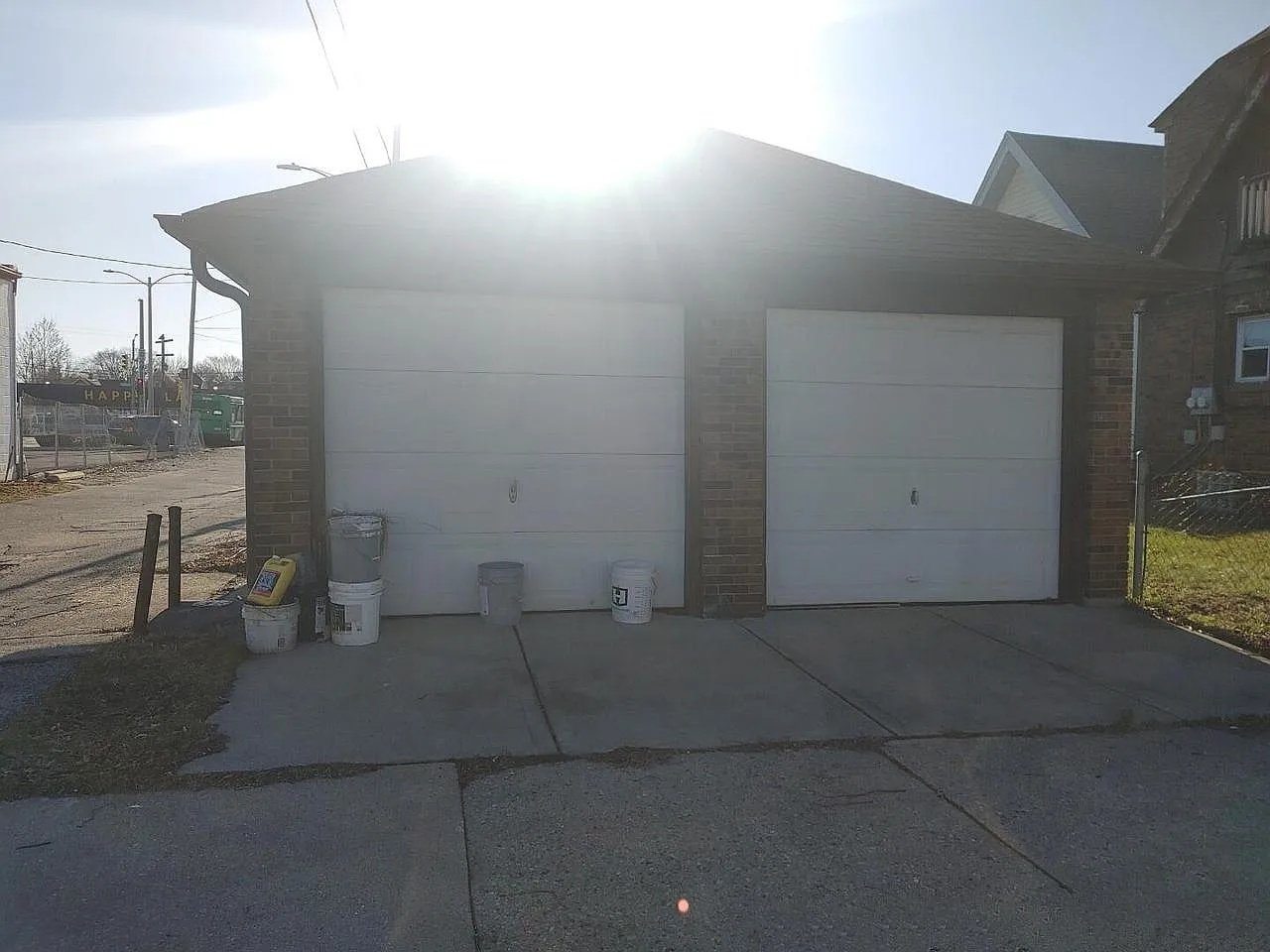
Another major advantage is the detached two-car garage located behind the home. Off-street parking remains highly valuable in urban neighborhoods, especially in cities where winter weather can make street parking inconvenient. A garage not only protects vehicles from snow and harsh conditions but also provides additional storage potential for tools, bicycles, outdoor equipment, or renovation materials during the improvement process.
The lot itself measures just under 4,000 square feet, offering a manageable outdoor footprint. While compact compared to suburban properties, urban lots like this are often appreciated for their simplicity and practicality. There is enough outdoor space for modest landscaping, gardening, seating areas, or small gatherings without requiring overwhelming maintenance. Buyers who enjoy outdoor projects could create a cozy backyard retreat while still maintaining the efficiency of city living.
One of the most important aspects of this property is its classification as a city tax foreclosure. While the term foreclosure may initially sound intimidating, it also represents a pathway toward revitalization. Municipal foreclosure programs are designed to return vacant or distressed properties to productive use, helping stabilize neighborhoods and encourage reinvestment within communities. In many cases, these programs create opportunities for buyers to purchase homes at prices below typical market value in exchange for committing to necessary repairs and improvements.
To assist buyers, the city has outlined a “Scope of Essential Work” detailing the repairs and updates required for the property. The estimated essential work totals approximately $13,830, while the broader projected scope reaches roughly $21,130. This transparency is valuable because it gives prospective owners a clearer understanding of the property’s condition before committing to the purchase. Rather than facing entirely unknown repair costs, buyers can begin planning budgets, timelines, and renovation priorities in advance.
Still, taking on a property in “as-is” condition requires careful preparation. Buyers must be realistic about the responsibilities involved. Older homes often come with hidden challenges that only become fully apparent during renovation. Electrical systems may need modernization, plumbing could require replacement, roofing may need attention, and cosmetic issues may reveal deeper structural concerns underneath. Successful renovation projects usually depend on patience, financial planning, and the willingness to adapt when unexpected repairs arise.
The cautionary instructions associated with viewing the property—such as bringing flashlights and using care while entering—highlight the reality that this is not a move-in-ready home. Yet these warnings are common with vacant or distressed properties and should not necessarily discourage serious buyers. Instead, they serve as reminders that restoration projects demand attention to detail and proper evaluation before work begins.
For many people, however, the appeal of homes like this lies precisely in their potential for transformation. There is something uniquely satisfying about restoring a neglected property and seeing gradual progress take shape over time. Rooms that once appeared worn or forgotten can become warm, inviting spaces again. Exterior brickwork can regain its beauty through cleaning and repair. Old hardwood floors can shine once more after refinishing. Even small improvements can dramatically change the atmosphere of a historic home.
An especially meaningful aspect of this listing is its owner-occupant priority period. During the first 30 days, only buyers intending to live in the property may purchase it. Policies like this are designed to strengthen neighborhoods by encouraging homeownership rather than purely speculative investment. Owner-occupants are often more invested in long-term community improvement, property upkeep, and neighborhood relationships. Giving individuals and families the first opportunity to purchase helps preserve stability within residential areas.
For first-time buyers, this kind of duplex can also provide a pathway toward financial growth. Living in one unit while renting the other may help offset mortgage payments, taxes, insurance, or renovation costs. This strategy has long been one of the most practical ways for homeowners to build equity while reducing monthly expenses. In some cases, rental income can make homeownership more accessible than purchasing a traditional single-family home.
Investors may also recognize the broader long-term value of Milwaukee’s housing market. The city has seen increasing interest in historic restoration and neighborhood revitalization efforts over recent years. As communities improve and restored homes attract new residents, properties that once appeared overlooked can experience significant appreciation. Renovated duplexes with historic character often appeal strongly to renters seeking something more distinctive than standard apartment complexes.
Milwaukee itself adds another layer of appeal to the opportunity. Known for its industrial history, cultural diversity, lakefront beauty, and strong neighborhood identity, the city combines affordability with architectural richness. Historic brick homes, churches, schools, and commercial buildings create a sense of authenticity that many rapidly growing cities lack. Buyers drawn to historic properties often appreciate Milwaukee because so much of its original architectural heritage remains intact.
Neighborhood revitalization is rarely an overnight process. It happens gradually, one restored property at a time. A duplex like this can become part of that larger story. When vacant or distressed homes are renovated and occupied again, the effects often extend beyond a single property line. Improved homes contribute to neighborhood pride, encourage nearby maintenance efforts, and help strengthen the surrounding community.
Of course, projects like this are not without difficulty. Renovations require time, labor, and financial commitment. Unexpected setbacks are almost inevitable. Permits, contractor coordination, inspections, and budgeting can all become challenging aspects of the process. Some buyers may find the demands overwhelming, particularly if they underestimate repair needs or timelines.
Yet many experienced renovators will say that the most rewarding properties are often the ones others overlook. Beneath peeling paint, outdated interiors, or years of neglect, there may still be tremendous value waiting to emerge. Historic homes possess qualities that cannot easily be recreated—thick masonry walls, detailed craftsmanship, solid framing, and architectural personality shaped by another era.
For creative buyers, the duplex offers room to imagine possibilities beyond simple restoration. One unit could embrace a more modern design aesthetic while the other preserves historic character. Shared outdoor areas could be transformed into inviting gathering spaces. Energy-efficient upgrades could improve long-term operating costs while maintaining the home’s original appearance. The project could become not only a financial investment but also a personal expression of design and preservation.
The detached garage, basement space, and multiple living areas provide flexibility rarely found in smaller single-family homes. Whether used for rental income, family housing, work-from-home arrangements, or long-term investment, the structure adapts to a range of future goals. That versatility increases the property’s appeal in an evolving housing market where flexibility has become increasingly important.
There is also a broader emotional dimension to restoring homes like this one. Older houses carry stories. Families may have lived here across generations, raising children, celebrating holidays, enduring hardships, and building daily routines within these walls. Though those histories are often invisible, they contribute to the sense of character many people feel when stepping inside a historic property. Renovation, in many ways, becomes an act of continuing that story rather than allowing it to disappear.
In today’s housing market, many buyers face limited inventory and rising prices for fully renovated homes. Properties requiring work offer an alternative route—one where sweat equity and patience can potentially create substantial value over time. Rather than paying a premium for someone else’s finished vision, buyers have the opportunity to shape the home according to their own preferences and priorities.
The duplex at 2330 West Hope Avenue may not immediately appeal to everyone. Those seeking turnkey convenience may prefer homes requiring little or no work. But for buyers who appreciate historic architecture, renovation potential, and long-term opportunity, the property presents something increasingly rare: a chance to restore a durable piece of Milwaukee’s residential history while creating future value in the process.
Its strong brick construction, multi-family layout, detached garage, basement utility space, and owner-occupant opportunity all contribute to its appeal. Combined with a clearly defined scope of work and the potential benefits of living in one unit while renting the other, the duplex represents more than just a distressed property—it represents possibility.
Ultimately, homes like this challenge buyers to look beyond present conditions and imagine what could be achieved through effort and vision. They require patience, resilience, and commitment, but they also offer the opportunity to create something deeply rewarding. In a world increasingly dominated by fast construction and uniform design, restoring a nearly century-old brick duplex carries a unique sense of purpose.
For the right buyer, this Milwaukee property could become far more than a renovation project. It could become a home, an investment, a source of income, or even a personal accomplishment shaped through dedication and creativity. Though the road to restoration may require hard work, the foundation for something meaningful is already standing strong at 2330 West Hope Avenue.