In many American cities, older duplex homes stand as reminders of an era when neighborhoods were built with durability, craftsmanship, and practicality in mind. In Milwaukee, brick multi-family homes have long shaped the character of residential streets, offering generations of families a balance between private living space and urban convenience. One such property, located at 2330 West Hope Avenue, now presents a unique opportunity for buyers willing to take on the challenge of restoration and renewal. Built in 1929, this historic duplex combines classic architectural strength with the possibility for significant transformation. While the property requires repairs and updates, its structure, layout, and location make it an intriguing option for owner-occupants, renovators, or individuals seeking to invest in a home with long-term potential. Unlike modern developments built with uniform materials and contemporary layouts, older brick duplexes like this one carry visible traces of the city’s architectural history. From the solid masonry exterior to the generous interior footprint, the home reflects a period when residential construction emphasized longevity and function. Although time and foreclosure conditions have left the property in need of substantial work, the underlying framework still offers a foundation for someone ready to bring it back to life.
The duplex sits within a residential neighborhood known for the classic urban character that defines many Milwaukee communities. Rows of brick homes, mature trees, and traditional lot layouts give the area a sense of continuity that newer suburban developments often lack. The property itself occupies a manageable lot measuring just under 4,000 square feet, striking a practical balance between indoor and outdoor space. While not oversized, the yard provides enough room for landscaping improvements, outdoor seating, small garden projects, or family recreation. In dense urban neighborhoods, properties with modest but functional outdoor areas are often highly valued because they provide private space without overwhelming maintenance requirements. The building spans approximately 2,358 square feet and is divided into two residential units, making it adaptable to several living arrangements. A future owner could occupy one unit while renting the other to help offset housing expenses, a setup that has historically made duplexes appealing to working families and first-time buyers. Alternatively, the home could serve as a multi-generational residence, allowing extended family members to live nearby while maintaining separate living quarters. Investors may also view the property as an opportunity for dual rental income once renovations are complete. The flexibility of duplex living continues to appeal in today’s housing market because it combines personal occupancy with potential financial benefits, especially in cities where housing costs continue rising.
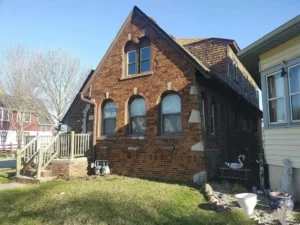
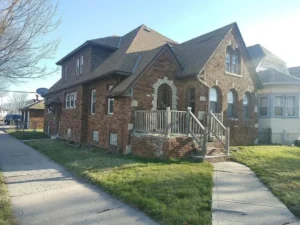
One of the most immediately noticeable features of the property is its exterior construction. The brick and stone façade gives the building a sense of permanence that many modern homes struggle to replicate. Duplexes from this period were typically designed to withstand harsh Midwestern winters while requiring relatively low exterior maintenance over time. Even after decades of exposure to changing weather conditions, many Milwaukee brick homes remain structurally solid because of the quality of materials originally used in their construction. The home’s architectural details may appear understated compared to grand historic mansions, but they still reflect the practical elegance common to urban residential buildings from the late 1920s. Thick masonry walls, symmetrical design elements, and durable construction techniques were hallmarks of the era. Buyers interested in historic restoration may find satisfaction in preserving original features while integrating modern updates for comfort and efficiency. Depending on the interior condition, there may be opportunities to restore hardwood floors, wood trim, built-in cabinetry, or vintage layout details hidden beneath years of wear and renovation attempts. For many restoration-minded buyers, uncovering and preserving these original touches becomes one of the most rewarding aspects of renovating older homes.
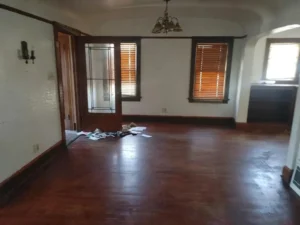
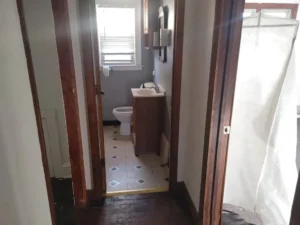
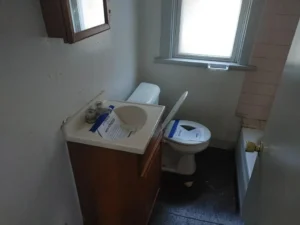
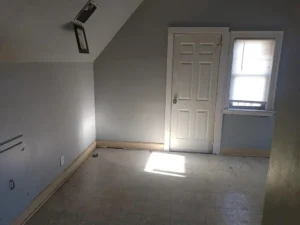
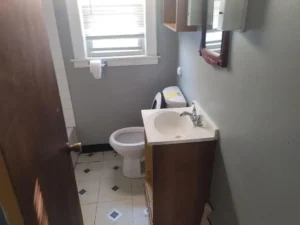
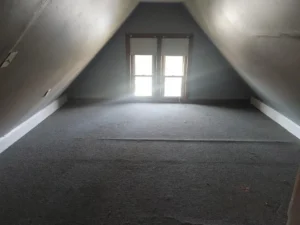
Inside, the duplex contains four bedrooms and two full bathrooms divided across its two units. Although detailed interior photographs and descriptions remain limited, the available information suggests that significant updating will likely be required throughout the property. Foreclosure homes often experience deferred maintenance, outdated mechanical systems, cosmetic damage, or incomplete repairs. Yet for buyers with vision, this also creates freedom to redesign and modernize spaces according to personal preferences and long-term goals. Large square footage provides flexibility in determining how the interior might evolve. Kitchens could be expanded or reconfigured. Bathrooms could be modernized. Walls might be adjusted to improve natural light or functionality. Because the property includes two separate units, renovation work could potentially occur in stages, allowing gradual improvements over time rather than requiring a complete transformation all at once. This flexibility may appeal to buyers who want to build equity through hands-on improvements while tailoring the home to suit changing needs. Older duplexes also often include layout characteristics less common in newer homes, such as larger room sizes, higher ceilings, and more defined living spaces. These features can create a sense of warmth and character difficult to replicate in many modern apartment-style properties.
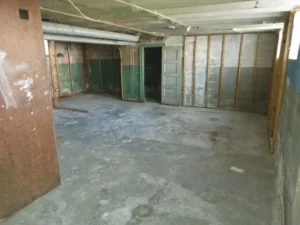
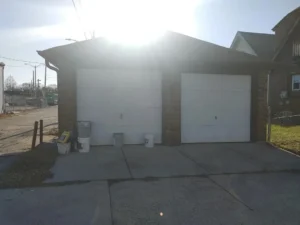
The full basement adds another valuable layer of potential. In homes built during this period, basements commonly served multiple purposes, functioning as storage areas, laundry spaces, utility rooms, workshops, or recreational zones. Depending on ceiling height and structural condition, future owners might explore opportunities to partially finish portions of the basement for additional usable living space. Even without extensive remodeling, basement storage remains highly practical for multi-family properties where maximizing organization and utility matters. The detached two-car garage further strengthens the property’s functionality. In urban neighborhoods where street parking can become limited or inconvenient, off-street garage parking represents a significant advantage. Beyond protecting vehicles during Wisconsin winters, the garage also offers storage space for tools, seasonal items, bicycles, or renovation equipment. Functional amenities like garages and basements may seem secondary compared to kitchens or living rooms, but they often play a major role in everyday livability and long-term property appeal.
Perhaps the most important factor shaping this opportunity is the home’s status as a city tax foreclosure property. Municipal foreclosure programs aim to return vacant or distressed properties to productive use while encouraging neighborhood stabilization and reinvestment. In this case, the city has identified a “Scope of Essential Work” outlining repairs and improvements required for the property. According to the listing information, essential work is estimated at approximately $13,830, while the broader total repair scope reaches around $21,130. This level of transparency benefits potential buyers because it provides a starting point for understanding the scale of renovation involved. Rather than entering the purchase blindly, buyers receive a clearer picture of expected obligations and necessary repairs. However, the figures also serve as a reminder that purchasing foreclosure properties requires preparation, budgeting, and patience. Homes sold “as-is” transfer responsibility for repairs entirely to the new owner. Electrical systems, plumbing, roofing, heating, flooring, windows, and interior finishes may all require attention depending on inspection results and individual renovation plans. Prospective buyers must therefore carefully evaluate both financial readiness and renovation capabilities before committing to such a project.
Safety warnings included with the listing further highlight the property’s current condition. Instructions encouraging visitors to bring flashlights and exercise caution while entering indicate that portions of the home may lack adequate lighting or contain areas needing structural attention. This is not unusual for vacant foreclosure homes, especially older properties that have sat unoccupied for extended periods. Nevertheless, these warnings emphasize the importance of professional inspections and realistic planning. Buyers interested in the property would likely benefit from consulting contractors, inspectors, or restoration specialists capable of evaluating hidden repair needs beyond the city’s published scope of work. Renovation projects involving historic or older homes can sometimes reveal unexpected challenges once work begins, including outdated wiring, water damage, or foundational concerns. Yet experienced renovators often view such challenges as part of the process rather than reasons to avoid opportunity altogether. For individuals passionate about preservation and willing to invest time and resources, restoring a neglected property can become deeply rewarding both financially and personally.
A particularly notable aspect of this listing is the city’s owner-occupant priority period. For the first 30 days, only buyers intending to live in the property may submit offers. Policies like this are increasingly used by municipalities seeking to encourage neighborhood stability rather than rapid investor acquisition. By prioritizing owner-occupants, the city hopes to attract residents who will actively maintain, improve, and contribute to the surrounding community. This approach may help reduce absentee ownership while giving individuals and families a stronger chance to purchase homes before large-scale investors enter the process. Owner-occupant incentives also align naturally with the duplex format itself. Living in one unit while renting the second can help buyers manage mortgage payments, renovation costs, property taxes, or maintenance expenses more sustainably. Over time, this arrangement can build long-term equity while providing practical housing flexibility. In uncertain housing markets, duplex ownership remains attractive precisely because it offers both shelter and income potential within the same property.
The location within Milwaukee adds another important dimension to the opportunity. Milwaukee continues attracting attention for its blend of historic architecture, cultural identity, lakefront setting, and relatively accessible housing compared to many larger metropolitan areas. Neighborhood revitalization efforts throughout the city have increased interest in restoring older housing stock rather than replacing it entirely with new construction. Many buyers appreciate the craftsmanship and individuality found in historic Milwaukee homes, especially brick duplexes built during the city’s industrial growth years. As neighborhoods evolve, restored multi-family properties often contribute positively to surrounding streets by improving curb appeal, increasing occupancy, and supporting local stability. Buyers who invest thoughtfully into properties like this duplex may therefore participate not only in personal financial growth but also in broader community revitalization efforts.
Of course, this property is not a turnkey home ready for immediate move-in. It requires vision, labor, planning, and financial commitment. Some buyers will understandably prefer homes requiring fewer repairs and offering modern finishes from the start. But others see opportunity precisely where others see difficulty. For those individuals, the duplex at 2330 West Hope Avenue represents more than just a distressed foreclosure property. It offers the chance to restore a durable piece of Milwaukee’s architectural history while shaping it into something functional and meaningful for the future. Whether transformed into a comfortable owner-occupied residence, a long-term investment property, or a multi-generational family home, the building still possesses the solid framework necessary for renewal. In a housing market where fully renovated properties often command premium prices, homes like this one provide an alternative path—one rooted in creativity, persistence, and the willingness to build value over time rather than simply purchasing it ready-made.